
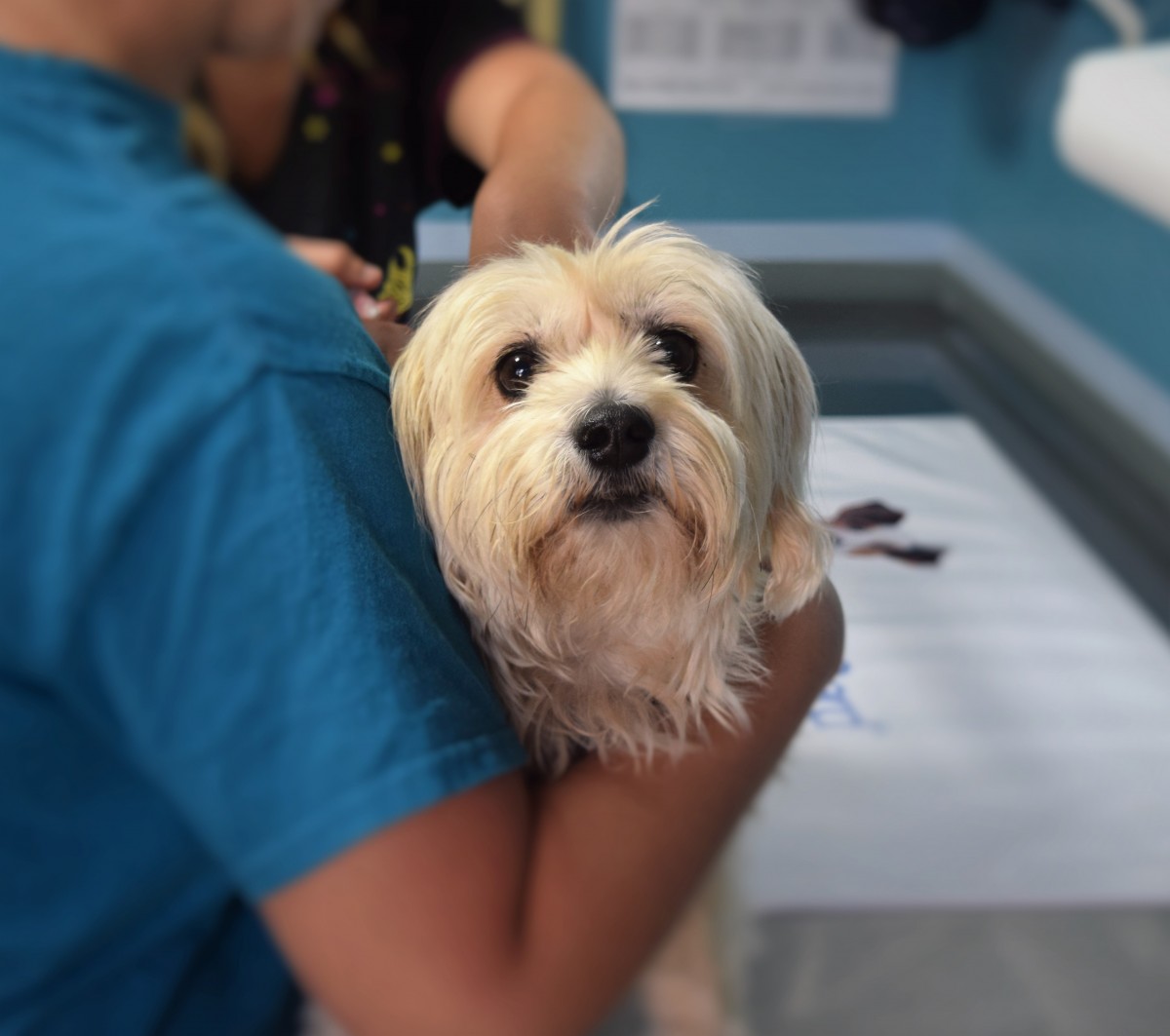
When it comes to our pets, we often think love, good food, and playtime are all they need to live long, happy lives. While those are certainly essential, there’s one cornerstone of pet care that often gets overlooked: regular veterinary checkups. Just as humans need routine health assessments to detect problems early and maintain wellness, so do our pets.
In fact, regular vet visits can be the single most important thing you do to ensure your pet lives a long, healthy, and happy life. From disease prevention to early diagnosis and tailored advice, these checkups are not just about reacting to illness — they’re about proactive, preventive care.
In this article, we’ll explore why regular vet checkups are crucial for pets of all ages, how often you should take your pet, what happens during a typical exam, and how these visits directly contribute to your furry companion’s longevity and quality of life.
1. Early Detection of Illness: The Power of Prevention
One of the biggest advantages of regular vet checkups is early disease detection. Many health conditions — from cancer to kidney disease, diabetes, heart disease, and arthritis — can develop silently in animals. By the time outward symptoms appear, the condition may have progressed to a more serious or even irreversible stage.
During a routine checkup, a veterinarian conducts a full physical exam, checking the skin, coat, eyes, ears, mouth, abdomen, heart, and lungs. They may recommend blood tests, urinalysis, or imaging (X-rays, ultrasound) if they detect anything abnormal or if your pet is in an age group where certain conditions become more likely.
Early detection means treatment can begin sooner — when it’s often less invasive, less expensive, and more effective. In some cases, early diagnosis can add years to your pet’s life.
Example: Chronic kidney disease is common in older cats and is manageable if caught early. Regular bloodwork can spot early signs, allowing for dietary adjustments and medication that can slow progression.
2. Vaccinations and Parasite Control
Vaccines are one of the most important tools in preventing disease. Your vet keeps your pet’s vaccination schedule up to date, ensuring protection from deadly and contagious illnesses like rabies, distemper, parvovirus, feline leukemia, and more.
At regular vet visits, your vet will also recommend a parasite prevention plan. Fleas, ticks, heartworms, and intestinal worms can wreak havoc on your pet’s health — sometimes even leading to death if untreated. Even indoor pets can be at risk.
Routine vet checkups ensure your pet receives:
-
Annual or triannual vaccinations
-
Monthly flea and tick prevention
-
Heartworm testing and prevention
-
Fecal exams to detect intestinal parasites
By staying ahead of these threats, you’re protecting not only your pet’s health but also your family’s — as some parasites can spread to humans, especially children.
3. Dental Health: More Important Than You Think
Dental disease is one of the most underdiagnosed yet prevalent conditions in pets. By the age of 3, over 80% of dogs and 70% of cats show signs of periodontal disease.
Poor dental hygiene doesn’t just cause bad breath — it leads to:
-
Painful gums and tooth loss
-
Infections that can spread to organs (heart, liver, kidneys)
-
Difficulty eating
-
Systemic inflammation
Regular vet checkups include oral exams. Your vet may recommend professional dental cleaning or teach you how to brush your pet’s teeth at home. They’ll look for signs of tartar buildup, loose teeth, or infection.
Maintaining your pet’s dental health can extend their lifespan and dramatically improve their comfort and quality of life.
4. Weight and Nutrition Monitoring
Obesity is one of the most common and preventable health issues in pets today. It increases the risk of arthritis, diabetes, heart disease, and even cancer. Unfortunately, many pet parents don’t recognize when their pet is overweight — a few extra pounds might seem harmless, but for animals, it’s significant.
At regular checkups, your vet will:
-
Monitor your pet’s weight and body condition score (BCS)
-
Recommend dietary changes or portion adjustments
-
Suggest exercise plans
-
Identify underlying causes of weight gain or loss
Good nutrition is essential at every life stage — from puppyhood to senior years. Your vet can provide tailored advice, adjusting your pet’s diet as they age or if they develop health conditions requiring specific nutrition.
5. Behavioral Assessments and Mental Health
Behavioral issues can signal deeper health concerns. A normally friendly cat that becomes aggressive, or a house-trained dog that suddenly starts having accidents, might be experiencing pain, stress, or cognitive decline.
During regular vet visits, your vet will ask questions about your pet’s behavior and may conduct neurological or cognitive exams if concerns arise.
They can help with:
-
Anxiety and stress management
-
Age-related cognitive dysfunction
-
Aggression or fear issues
-
Litter box problems or house-soiling
Your pet’s mental health is just as important as physical health. Addressing behavioral changes early leads to better outcomes — and a stronger human-animal bond.
6. Age-Specific Care: Puppies, Adults, and Seniors
A pet’s health needs evolve throughout their life. Regular vet checkups ensure that care is age-appropriate and that you stay informed about what your pet needs during each stage.
For Puppies and Kittens:
-
Vaccinations and deworming
-
Spaying/neutering
-
Microchipping
-
Initial health screenings
-
Nutritional and training advice
For Adult Pets:
-
Disease prevention and parasite control
-
Dental care
-
Weight and behavior monitoring
-
Lifestyle adjustments (e.g., more/less activity)
For Senior Pets:
-
More frequent exams (every 6 months recommended)
-
Bloodwork to monitor organ function
-
Pain management (especially for arthritis)
-
Cognitive decline assessments
-
Specialized diets and mobility support
Regular checkups help your vet catch age-related illnesses early and adapt their care plan accordingly.
7. Building a Health History
Another often overlooked benefit of regular vet visits is the creation of a comprehensive medical record. Just like humans have medical charts that track everything from blood pressure to past surgeries, pets benefit from an ongoing health history.
This record becomes incredibly valuable over time, especially in emergencies. Your vet will be able to:
-
Track trends in lab results or weight
-
Notice changes in behavior or physical condition
-
Make informed decisions during illness
-
Provide accurate information to specialists
Having a full history makes it easier to diagnose new issues and ensures that your pet’s treatment is based on facts, not guesswork.
8. Strengthening the Human-Animal Bond
A healthy pet is a happy pet — and happy pets make for stronger relationships. When your pet feels well, they engage more, play more, and live more fully. They’re more affectionate, active, and present in your daily life.
Regular vet checkups help ensure your pet feels their best, both physically and emotionally. They also empower you as a pet parent, giving you the tools, knowledge, and confidence to provide top-tier care.
This deeper understanding of your pet’s needs nurtures the trust and connection you share.
9. Financial Benefits of Preventive Care
While some pet owners avoid vet visits due to cost, regular checkups are actually cost-saving in the long run. Preventive care and early diagnosis are almost always cheaper than treating advanced illness.
Consider the following comparisons:
-
Annual flea prevention vs. treating a flea infestation
-
Dental cleanings vs. extracting rotten teeth
-
Managing early arthritis vs. surgery for joint damage
-
Vaccinations vs. treating parvo or feline leukemia
Catching a problem early may mean a simple treatment plan instead of hospitalization, surgery, or lifelong medication. Preventive care is not just smart health-wise — it’s financially wise, too.
10. Peace of Mind
Finally, regular vet checkups provide something priceless: peace of mind. Knowing that a professional has examined your pet and given them a clean bill of health (or a care plan) allows you to relax and enjoy your time together.
You won’t have to wonder if you’re missing something. You’ll know that you’re doing everything possible to help your beloved companion live a long and healthy life.
That peace of mind is worth every visit.
How Often Should You Take Your Pet to the Vet?
The general guidelines are:
-
Puppies/Kittens: Every 3–4 weeks until 16 weeks old
-
Healthy Adult Pets: At least once a year
-
Senior Pets (7+ years): Every 6 months
Pets with chronic conditions may need more frequent visits. Always follow your vet’s recommendations.
What to Expect During a Routine Vet Checkup
A standard wellness exam typically includes:
-
Medical history review – Discuss recent behavior, diet, symptoms
-
Physical exam – Nose to tail check, weight, heart, lungs, eyes, ears, teeth, skin
-
Vaccinations – As needed based on age and lifestyle
-
Parasite control review – Fleas, ticks, heartworm, intestinal worms
-
Dental evaluation
-
Lab tests – Bloodwork, urinalysis, fecal exam if indicated
-
Behavioral discussion – Anxiety, aggression, mobility, etc.
-
Nutrition and weight advice
-
Follow-up care planning
Final Thoughts
Our pets give us unconditional love, companionship, and joy every single day. They are family — and just like any loved one, we want them to live as long and as healthily as possible. Regular vet checkups are not an optional luxury; they’re a vital part of responsible pet ownership.
When you bring your pet in for regular checkups, you’re not just reacting to problems — you’re preventing them, often before they start. You’re giving your pet the advantage of early intervention, tailored nutrition, behavior monitoring, and the best possible quality of life.